Japan vs Germany is a comparison that resurfaces whenever global manufacturing rankings are discussed. Both nations rebuilt from wartime devastation to become export giants, yet their paths diverged sharply. Germany's Mittelstand—thousands of family-owned firms specializing in niche B2B products—contrasts with Japan's keiretsu networks, where banks and manufacturers intertwine. I've walked through the Mittelstand heartland of Baden-Württemberg and the keiretsu corridors of Nagoya. The difference is palpable: German firms often operate from small towns with global reach, while Japanese giants anchor sprawling urban clusters. That structural contrast shapes everything from innovation cycles to labor relations.Japan vs Germany in manufacturing reveals divergent automation strategies. Germany's Industrie 4.0 pushes cyber-physical systems。
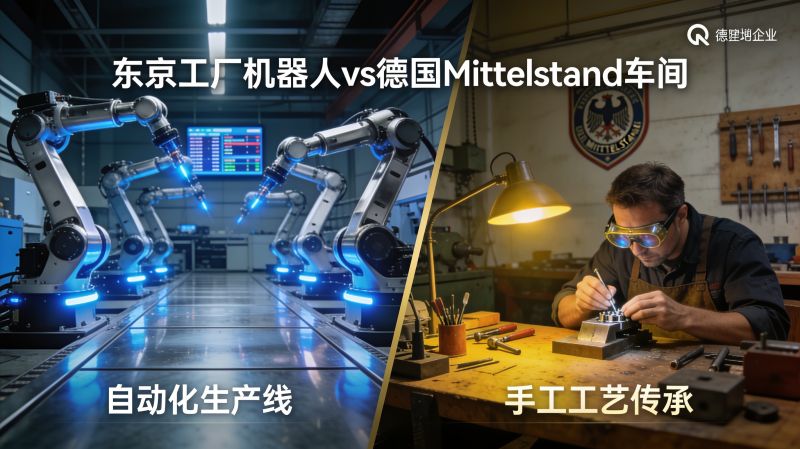
with companies like Siemens and Bosch embedding sensors across supply chains. Japan, meanwhile, excels in kaizen and lean production—Toyota's just-in-time model remains a benchmark. But here's a nuance often missed: Japan's aging workforce and labor shortages are forcing faster robot adoption than Germany's. Visit a Japanese factory floor and you'll see robots handling tasks Germans still assign to skilled workers. Germany's dual vocational training system produces highly qualified technicians, but Japan's demographic squeeze is making automation a necessity rather than a choice. The result?Japan leads in practical robotics deployment, while Germany sets standards in industrial IoT architectures.In energy policy, Japan vs Germany becomes a study in contrasts. Germany's Energiewende—phasing out nuclear and pushing renewables—has driven electricity prices among Europe's highest. Japan。post-Fukushima, restarted reactors and invests heavily in hydrogen supply chains. I recall a conversation with a German engineer in Essen who lamented grid instability, while a Japanese colleague in Tokyo praised stable baseload power. These choices ripple into manufacturing competitiveness. Germany's energy-intensive sectors, like chemicals and steel, face cost pressures;Japan's focus on efficiency and hydrogen innovation positions it differently. Neither approach is flawless—Germany's coal reliance persists, and Japan's nuclear restart remains contentious.Japan vs Germany in export profiles shows both excel in machinery and automobiles, but with distinct flavors. German brands like BMW and Mercedes emphasize engineering prestige. Japanese automakers—Toyota, Honda—dominate volume markets with reliability and fuel efficiency. In machine tools。
Germany's Trumpf and Japan's DMG Mori compete fiercely, yet their customer relationships differ. German sales teams often promise customization;Japanese counterparts stress long-term support and incremental improvement. A small detail: German contracts frequently include detailed technical specifications, while Japanese agreements lean on trust and relational commitments. That difference reflects broader cultural attitudes toward risk and planning.Looking ahead, Japan vs Germany faces shared headwinds: aging populations。supply chain diversification, and the green transition. Germany's federal system and EU membership provide market access but slow decision-making. Japan's centralized bureaucracy enables rapid policy shifts but can stifle grassroots innovation. My observation: Germany's strength lies in institutional stability and vocational depth, while Japan's edge is adaptability and process refinement. Neither model is superior—they simply reflect different historical bets. For businesses choosing between them, the question isn't which is better, but which fits your operational rhythm and risk appetite.